
Dominican Rum: Best Brands, Distilleries & Rum Tours
Discover Dominican rum, from the most popular brands and distilleries to how it’s made and the best rum tours to experience during your trip.
FOOD & DRINK ADVENTURES
1/3/202614 min read


Dominican rum is one of the country’s most iconic products and one of the best souvenirs you can bring home from your trip. Smooth, well-aged, and affordable, it reflects centuries of sugarcane tradition and Caribbean craftsmanship.
In this guide, you’ll learn what makes Dominican rum special, which brands locals trust, where to visit real rum distilleries, and which bottles are worth packing in your suitcase. By the end, you’ll know exactly what to try, where to taste it, and what to buy.
Why Dominican Rum Is Different
Dominican rum is known around the world for its smooth taste and high quality. That reputation is not marketing hype. It comes from a mix of strict rules, ideal climate, and centuries of experience. Here is what truly sets it apart.
Strict Production Standards
To be legally labeled Dominican rum, the spirit must be fully produced in the Dominican Republic and aged in oak barrels for at least one year under government supervision. This rule applies even to entry-level rums, which is why many Dominican rums taste smoother than young rums from other countries.
Premium brands often age their rums well beyond the one-year minimum. Longer aging allows deeper flavors to develop, adding richness and complexity without harshness.
Tropical Aging Makes a Big Difference
The Dominican Republic’s warm and humid climate plays a major role in how rum matures. Heat causes the rum to interact more intensely with the oak barrels, pulling out flavor, color, and aroma faster than in cooler regions.
In practical terms, two years of aging in the Caribbean can deliver flavor depth similar to six years of aging in a cooler climate. This is why even relatively young Dominican rums can look darker and taste more developed.
The trade-off is evaporation. Each year, about 6 to 10 percent of the rum naturally disappears due to heat, compared to about 2 percent in cooler climates. What remains, however, is more concentrated and flavorful. Locals often say it is about quality over quantity.
A Smooth and Refined Style
Most Dominican rums follow the Spanish Caribbean tradition. They are typically lighter in body, column distilled, and designed to be smooth and balanced rather than heavy or harsh.
Producers usually start with molasses from local sugarcane, using fermentation and distillation techniques refined over generations. Some brands, such as Ron Barceló, go a step further by using fresh sugarcane juice for certain expressions to create a cleaner and more refined flavor.
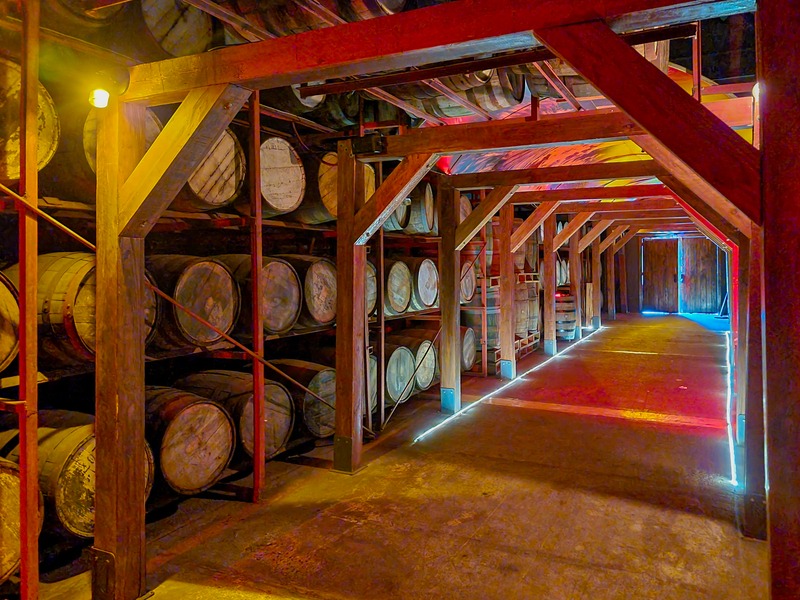
After distillation, the rum is aged in oak barrels, often former bourbon barrels. These barrels add familiar notes like vanilla, caramel, toasted wood, and gentle spice. The constant tropical warmth also speeds up chemical reactions inside the barrel, creating fruity and aromatic notes in less time. The result is a rum that feels rich, smooth, and approachable.
History of Dominican Rum
Rum production in the Dominican Republic goes back to the 1500s. Sugarcane arrived with Columbus in 1493, and by the 1600s, molasses was already being fermented into rum. Over time, rum became deeply connected to the country’s culture and economy.
Modern distilleries still respect these traditions. Slow aging, careful blending, and close quality control remain essential. Many brands rely on experienced master blenders, known as maestros roneros, who ensure consistency and character in every bottle. When you enjoy a good Dominican rum, you are tasting generations of knowledge and craftsmanship.
Why It Stands Out
Dominican rum stands out because everything works together. Clear production rules protect quality. The tropical climate enhances aging. Skilled producers refine the process year after year.
The result is a rum that is easy to enjoy for beginners yet complex enough for experienced rum lovers. It works beautifully sipped neat, served on ice, or mixed into classic cocktails. Each glass carries a bit of Caribbean warmth, tradition, and care, which is exactly why Dominican rum continues to earn its global reputation.
Top Dominican Rum Brands to Know
Once you arrive in the Dominican Republic, you quickly notice that rum is everywhere. A few major brands clearly dominate the scene. These are the Dominican rum names you will see most often, commonly known as the “three B’s” of Dominican rum.
Brugal
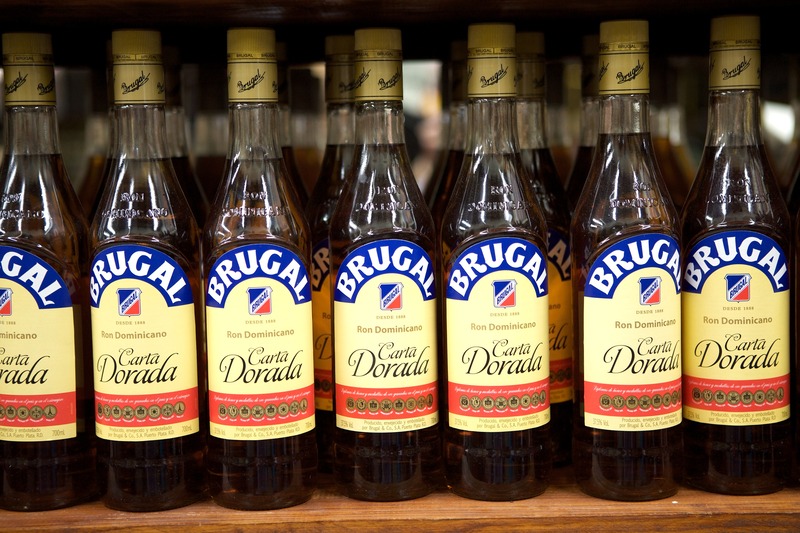
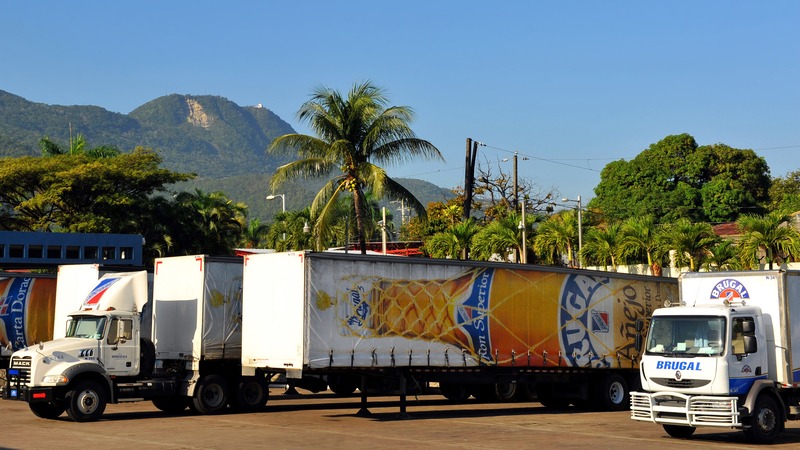
Founded in 1888, Brugal is the most iconic rum brand in the Dominican Republic. It represents about 80 percent of the local rum market, which explains why Brugal appears in almost every bar and colmado. The Brugal family still oversees production today, helping preserve long standing traditions.
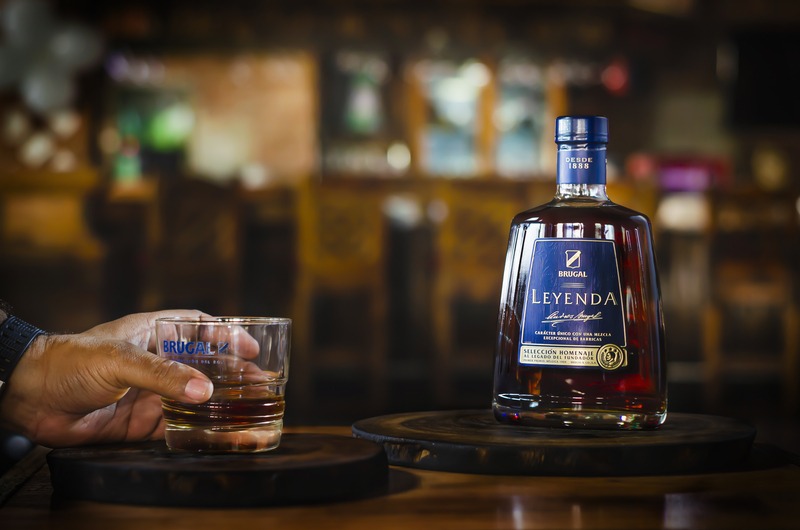
Brugal offers rums across a wide range of prices. Bottles like Carta Dorada and Brugal Añejo are popular for mixing, while premium options such as Brugal 1888 and the limited Papá Andrés are meant for sipping. What truly sets Brugal apart is that all of its rum is aged and bottled in the Dominican Republic using local sugarcane, which keeps its character unmistakably Dominican.
If you spend time along the north coast, you can visit the Brugal distillery in Puerto Plata and see the process firsthand. The tour highlights traditional rum making and bottling and finishes with a free tasting and the chance to buy bottles at factory prices. Brugal is known for a clean, slightly dry profile that works well in a Santo Libre or served over ice.
Ron Barceló
Ron Barceló was founded in 1929 by Julián Barceló and later gained international recognition for its quality. Barceló rums are often described as rich and aromatic, thanks to high grade cane juice and extended aging.
The flagship Barceló Imperial is an award winning rum frequently listed among the best in the Caribbean. It is smooth and refined, with notes of vanilla and wood developed through long aging in oak barrels. By the late twentieth century, Ron Barceló had grown into one of the country’s top rum exporters and earned multiple international awards.
You can tour the Ron Barceló Historical Center in San Pedro de Macorís, east of Santo Domingo. This modern museum and distillery experience explains how local sugarcane becomes rum, includes visits to aging warehouses, and ends with tastings that often feature Barceló Imperial. The tour is well rated for its interactive approach, from walking through barrel warehouses to smelling toasted oak. If you are staying near Punta Cana or the capital, it is worth making time for this experience. Many people find that sipping Barceló Imperial or Imperial Premium Blend neat becomes a highlight of their time in the country.
Bermúdez
Bermúdez traces its history back to 1852, making it the oldest rum distillery in the Dominican Republic. Don Erasmo Bermúdez created an aperitif-style rum for medicinal use, which marked the beginning of the family’s long rum tradition.
Bermúdez may be less visible internationally than Brugal or Barceló, but it is highly respected within the country. The brand’s motto, “La Leyenda del Caribe,” reflects its deep roots. Rums such as Bermúdez Añejo and 1852 Ron Añejo are known for rich, woody flavors and a smooth finish. Their rums are aged in oak barrels, often longer than required, and include distinctive expressions like Don Armando and Palo Viejo.
While Bermúdez does not operate a large visitor center, its bottles are easy to find throughout the Dominican Republic. If you enjoy whiskey or cognac, Bermúdez Aniversario or 12 Años offers a Dominican take on a well-aged sipping spirit.
Macorix
Macorix is a historic rum brand founded in 1899 in San Pedro de Macorís. In recent years, it has been revived and modernized and is slowly gaining more attention.
Macorix produces a wide range of rums, from white and gold options for mixing to aged reserves. One standout is Macorix Gran Reserva 8, aged eight years and priced attractively for a premium style rum. You can also visit the Macorix House of Rum in Puerto Plata, an interactive museum and tasting experience.
The guided tour allows you to sample classic rums and flavored options such as coconut and mango-infused rum liqueurs. There is also a stylish bar where you can enjoy a cocktail on site. While Macorix is not as widely known as the three B’s, it is an enjoyable brand to explore, and many people choose to bring home a bottle of spiced rum or Cooltiempo, a sweet, low-proof rum punch, as a distinctive souvenir.
When browsing rum in Dominican shops, you will also see other names such as Ron Siboney, Oliver & Oliver, or Punta Cana Club. Still, Brugal, Barceló, and Bermúdez remain at the core of Dominican rum tradition. Starting with any of these gives you a clear sense of what Dominican rum is all about.
Must Try Dominican Rum Drinks and Cocktails
Tasting rum on its own is a great experience, but part of enjoying the Dominican Republic is seeing how rum is used in local drinks. From traditional recipes to beachside favorites, these are rum drinks you will see everywhere and should experience at least once.
Mamajuana
Mamajuana is part of Dominican culture and folklore. This traditional Dominican blend is made by infusing rum with red wine, honey, and a mix of local herbs, roots, and tree bark. The result is a sweet, spiced drink usually served in a small shot glass.
Many Dominicans believe Mamajuana has medicinal and aphrodisiac qualities, which is why you may hear playful nicknames like “Elixir of Love.” Some say it helps with circulation or digestion, while others swear it boosts energy and vitality. Most people, though, enjoy it for its unique flavor and the stories that come with it.
Every bottle tastes slightly different because recipes vary. Common ingredients include cinnamon, clove, anise, oregano, and a local bark known as palo de Brasil. If someone offers you a shot, it is worth trying. It is usually smooth and sweet rather than harsh.
Bottles of Mamajuana, complete with the herbs inside, are popular souvenirs. You can refill them with your own rum and wine at home to recreate the experience. If you want to learn more about how it is made, how to drink it, and where to buy the best bottles, see our full guide to Mamajuana in the Dominican Republic. Just enjoy it in moderation, as it is quite strong.
Piña Colada and Other Tropical Cocktails
Although the Piña Colada originated in Puerto Rico, it is everywhere in the Dominican Republic, especially at resorts. A creamy Piña Colada by the pool or a Mojito in the evening quickly becomes part of the experience.
Along with these drinks, the Santo Libre is one of the most common rum cocktails you will see. Made with rum and lemon-lime soda over ice, it is lighter and more citrus-forward than a Cuba Libre, which uses cola. You may also come across cocktails like the Coco Loco, made with rum, coconut cream, and fruit juices, sometimes served inside a coconut, as well as simple daiquiris prepared with fresh local fruits.
These cocktails are easy to enjoy, but it is still worth paying attention to the rum itself. If your resort or bar offers the option to upgrade to a better local rum, such as Brugal Extra Viejo instead of a basic well rum, it is usually worth it for the extra depth of flavor. For more ideas, recipes, and local favorites, you can explore our full guide to the Best Dominican Cocktails.
Rum Tours and Experiences in the Dominican Republic
One of the best ways to truly appreciate Dominican rum is to experience it where it is made. Across the country, several distilleries and rum museums welcome visitors, making it easy to turn rum tasting into a fun day trip or an excursion away from the resort. These are the main rum experiences you may want to consider.
Ron Barceló Historical Center – San Pedro de Macorís
The Ron Barceló Historical Center is one of the most complete rum tours in the Dominican Republic and a favorite for those staying in Punta Cana, La Romana, or Santo Domingo.
This experience shows the full journey from sugarcane to bottle. You’ll walk through aging warehouses where the scent of oak and rum fills the air, learn how barrels are charred, and explore museum displays that explain fermentation, distillation, and aging. Guides often share small details that make the visit memorable, from very old bottles to early sugarcane tools.
A key highlight is the tasting at the end, featuring Barceló Añejo and Imperial rums. Guests who choose the upgraded Imperial tasting enjoy samples in a private lounge inside the barrel warehouse, which many consider the most memorable part of the visit.
The facility is about an hour from Punta Cana. The tour is well organized, informative, and easy to follow in English, making it a strong choice if you want a deeper understanding of award-winning Dominican rum. Check availability for the Ron Barceló Historical Center Tour.
Oliver Rum Tasting & Pairing Experience – Punta Cana
The Oliver & Oliver Rum Tasting & Pairing Experience is a refined, small-group rum tasting ideal for visitors who want a calm, educational experience rather than a large distillery tour.
During this 1 hour and 15 minute experience, expert hosts guide you through premium Dominican rums aged up to 25 years using the Solera method. You’ll learn about sugarcane, molasses, aging techniques, and the history of the Oliver family.
The tasting includes several high-end rums, flavor pairings, and a sample of traditional mamajuana. Even beginners find it easy to follow, while rum lovers appreciate the depth and quality of the selections.
The experience takes place at the Oliver Rum location and includes a small Taíno concept store where you can browse rums and local products afterward, with no pressure to buy. Round-trip transportation from Bávaro and Punta Cana hotels is included, and the tour is conducted in English.
Check availability for the Oliver Rum Tasting & Pairing Experience
Macorix House of Rum – Puerto Plata
The Puerto Plata City Tour VIP is a private, customizable tour that combines local culture with a visit to the Macorix House of Rum, one of the most well-known rum factories in Puerto Plata.
A main highlight is the stop at the Macorix rum factory, where you learn how Dominican rum is produced, aged, and bottled, followed by a tasting of several locally made rums. The visit is relaxed, informative, and easy to enjoy, even if you are new to rum.
The tour also covers key sights in Puerto Plata, including Fort San Felipe, the Malecón, local markets, Umbrella Street, the Pink Street, a cigar factory, and a chocolate factory. A traditional Dominican lunch is included, and your guide shares real insight into local life and history.
The experience lasts about four hours and includes private air-conditioned transportation with Wi-Fi, entrance fees, rum tasting, drinks, and lunch. You choose the stops and start time, making it ideal for cruise passengers.
Explore the experience of the Puerto Plata City Tour VIP and enjoy a private city tour with an authentic Macorix House of Rum experience.
Practical Tips for Enjoying and Buying Rum in the Dominican Republic
Enjoying Dominican rum can be as simple as pouring a glass, but a few smart tips help you get more from the experience and avoid common mistakes.
Sipping vs Mixing
Not all rums are used the same way. White and gold rums work best in cocktails, while aged rums are meant to be enjoyed slowly. Using a premium aged rum with heavy mixers like cola hides most of its flavors. For better taste, enjoy aged rum neat or over ice to notice notes of vanilla, caramel, and oak. Lighter and more affordable rums are ideal for Piña Coladas, Santo Libres, Mojitos, and other mixed drinks.
Buying Authentic Rum
Buy rum from reliable places such as supermarkets, airport duty-free shops, or official distillery stores. Avoid bottles sold without proper labels or safety seals, as refilled or counterfeit alcohol has been an issue in the past. Major brands use clear branding and seals, and buying where locals shop helps ensure quality. Supermarkets like La Sirena or Jumbo offer a wide selection at local prices. Airport duty-free shops are convenient for last-minute purchases, with slightly higher but still reasonable prices. See our Shopping in the Dominican Republic guide for more tips on where to shop.
Best Value Bottles to Bring Home
If you are unsure which bottle to choose, several mid-range rums offer excellent quality for the price. Barceló Gran Añejo and Brugal XVIII or Brugal 1888 often cost around 20 to 30 US dollars locally and taste far more expensive. Ron Macorix 8 and Bermúdez 1852 are also great options and can be harder to find outside the country. Store staff are usually happy to help, and Dominicans are proud to recommend a rum based on your taste, from smooth and sweet to bold and dry.
Bringing Rum Home
Before buying multiple bottles, check your country’s customs rules. Travelers to the United States can usually bring back one liter duty-free per adult. Extra bottles are often allowed if declared and may require a small duty. Canada allows about 1.14 liters, while European Union residents are often allowed one to two liters of spirits. A safe general rule is two standard bottles per person. Pack bottles carefully in checked luggage using clothing or protective material, or buy rum after security at the airport duty-free shops.
Rum as Souvenirs and Gifts
Rum makes an excellent souvenir or gift because it is local, authentic, and easy to share. Look for special edition bottles or premium packaging, such as higher-end Brugal releases or Barceló Imperial. Smaller bottles and mini sets are a smart choice if you plan to buy several gifts or want to stay within airline weight limits.
Drinking Responsibly
Dominican rum is smooth and easy to drink, but most bottles are around 40 percent alcohol. Drink water between cocktails and be mindful of the heat, as sun and alcohol together can catch up quickly. If you visit distilleries or attend tastings, plan transportation in advance. The legal drinking age in the Dominican Republic is 18 and is enforced at tours and bars.
Frequently Asked Questions About Dominican Rum
What is the best Dominican rum?
There is no single best rum, since taste differs. Many people enjoy Ron Barceló Imperial for its smooth profile, while Brugal 1888 is popular with those who prefer a drier, oak-forward style. Bermúdez 1852 Aniversario is a respected local choice with a classic aged character.
Is Dominican rum sweet?
Dominican rum is known for balance rather than strong sweetness. Some rums have light sweetness from barrel aging, while others are drier. Most flavor comes from oak aging, not from added sugar.
What is the difference between white, gold, and dark rum?
White rum is filtered and mostly used for mixed drinks. Gold rum has light aging and more flavor, making it versatile. Dark or aged rum spends longer in barrels and is best enjoyed neat or with ice.
How much does rum cost in the Dominican Republic?
Rum is very affordable locally. Standard bottles usually cost around 10 to 14 US dollars. Premium rums often range from 25 to 35 dollars, much less than prices overseas.
Can you bring rum home from the Dominican Republic?
Yes. Most travelers bring one or two bottles home without issues. Limits depend on your country, but personal quantities are common. Bottles can be packed in checked luggage or bought at the airport duty-free.
What is the most popular rum drink in the Dominican Republic?
The Cuba Libre, made with rum, cola, and lime, is the most popular. The Santo Libre, made with rum and lemon-lime soda, is another local favorite. Tropical drinks like Coco Loco are also common.
Are good rums served at all-inclusive resorts?
Yes. All-inclusive resorts usually serve local Dominican rum in cocktails such as Cuba Libre, mojitos, piña coladas, and Santo Libre. Quality varies by resort, but local rum is standard. Asking which rum is used can often improve your drink.
How do Dominicans usually drink rum?
Rum is usually shared and enjoyed socially. It is often mixed with cola or lemon-lime soda, served with ice, or sipped slowly if aged. Mamajuana is commonly offered to guests at home.
For most people, tasting Dominican rum is part of experiencing the country. It is similar to trying Champagne in France or tequila in Mexico. Rum is woven into daily life, celebrations, and traditions. Even a single glass or a small tasting connects you more deeply to the place.
If you decide it is not for you, at least you will have learned something new. And if it is for you, do not be surprised if your return flight includes a carefully packed bag full of rum bottles.

Explore the Dominican Republic with DR Simplified – Your Viator Travel Shop
Find the best excursions, cultural experiences, and adventure tours across the Dominican Republic. From sunny beaches and waterfalls to charming towns and outdoor activities, our Viator shop makes planning your trip simple and fun. Start enjoying the best of the island.
Terms and Conditions © All rights reserved 2026
Affiliate Disclaimer
Some links on DR Simplified are affiliate links. If you make a purchase or booking, we may earn a commission at no extra cost to you. Thanks for your support!