

MONEY
How to Handle Money in the Dominican Republic?
The Dominican Peso (DOP) is the main currency used across the country, while U.S. dollars are also accepted in many hotels, restaurants, and tourist areas. Understanding how payments work helps you spend wisely and avoid confusion. Here you’ll find where to exchange money safely, how to use ATMs, and when it’s better to pay in cash or by card. You’ll also learn about tipping, exchange rates, and simple ways to manage your daily expenses during your stay in the Dominican Republic.
1. What Currency Is Used in the Dominican Republic?
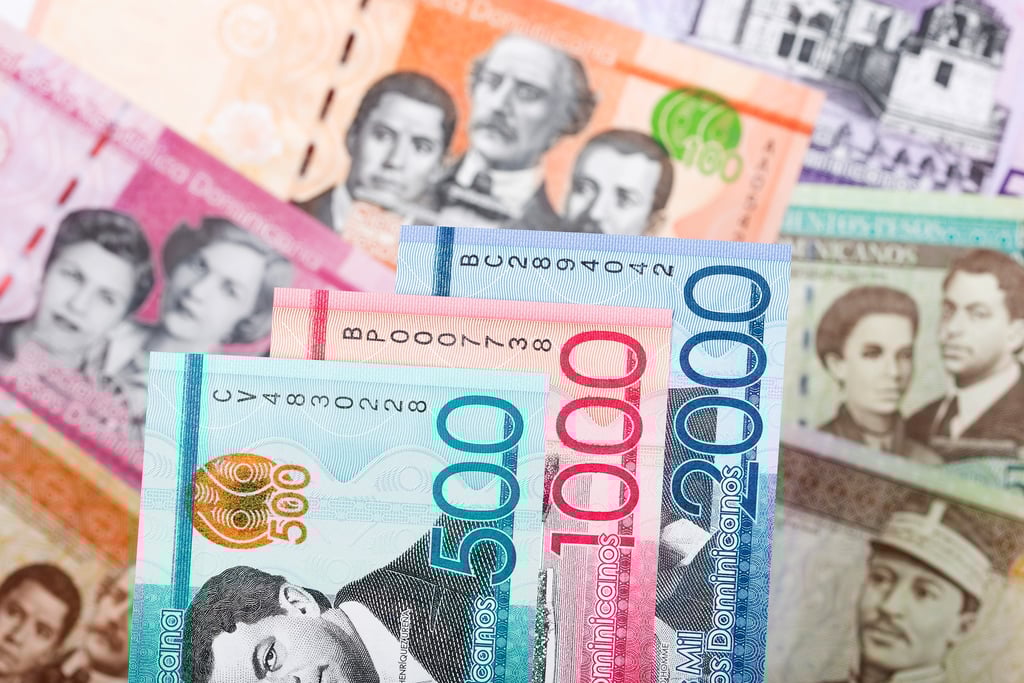
The official currency in the Dominican Republic is the Dominican Peso (DOP), written as “RD$.” Bills are 50, 100, 200, 500, 1000, and 2000 pesos, and coins are 1, 5, 10, and 25 pesos. The colorful designs make them easy to recognize, and prices in stores and restaurants are almost always listed in pesos.
The Dominican Peso is the standard way to pay throughout the country. In resort areas, foreign currency is usually accepted, especially U.S. dollars, but using pesos helps you get local prices without worrying about exchange rate differences. Most banking services, ATMs, and card payments are processed in pesos as well, so it’s helpful to be familiar with the local currency during your stay.
2. Should You Use US Dollars or Pesos in the Dominican Republic?
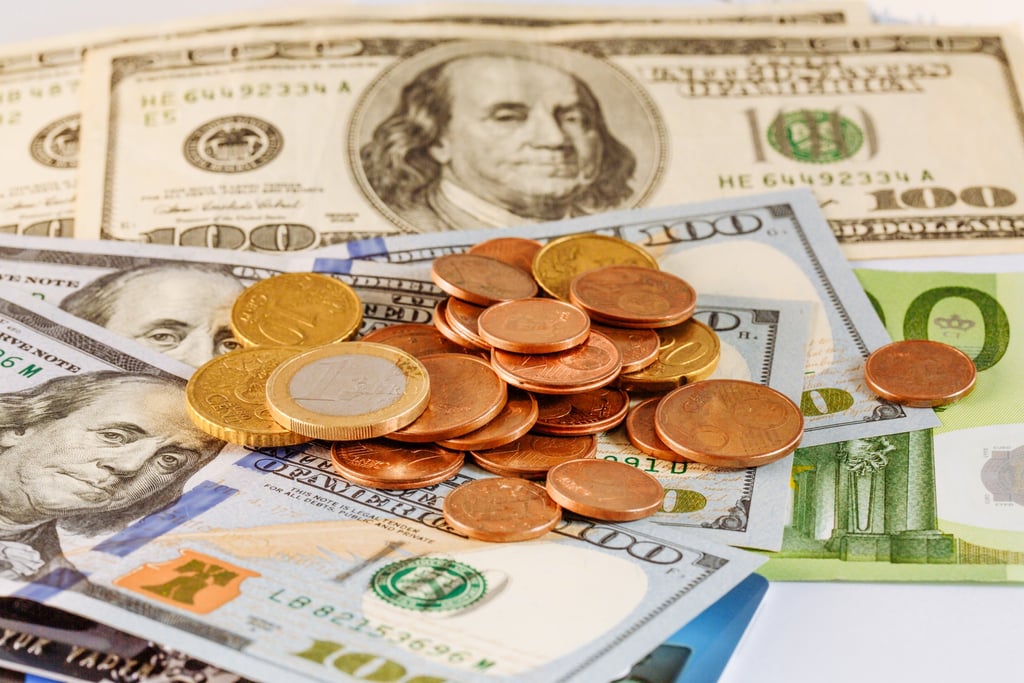
While most everyday payments are made in pesos, U.S. dollars are widely accepted in tourist areas, hotels, resorts, and many restaurants. Dollars are preferred for larger purchases because they are stable and familiar, especially in places that work mainly with international visitors. Many excursions, spa services, and private transfers are also priced directly in USD, which makes them convenient to book or pay for in advance. Use Viator for your tours and activities in the Dominican Republic and pay in U.S. Dollars.
Outside the main resort zones, it’s better to use pesos for meals, taxis, and local shops since the exchange rate is often less favorable when paying in dollars. Some vendors may also give change in pesos at their own rate, so it’s always smart to confirm the total before paying.
What About Euros and Other Currencies?
Euros are accepted in some upscale hotels and cities, but are less common than dollars. British pounds can be exchanged at banks or casas de cambio, but are rarely used directly. Exchange rates in the Dominican Republic vary slightly between banks and exchange offices, though they generally follow the rate published by the Central Bank of the Dominican Republic. You can check the current rate online or through the USD–DOP exchange below to see the live value before exchanging money.
Where is the safest place to exchange money?
The safest places to exchange money are banks and official “casas de cambio” (exchange offices). Well-known names include Agente de Cambio Quezada, Caribe Express, and Vimenca (Western Union). These offices clearly display their rates and are easy to find in cities and resort areas. Airport exchange counters are convenient but usually offer worse rates, and resort front desks may do the same, so they’re best saved for small emergency amounts. When exchanging money, count your bills before leaving the counter, and don’t hesitate to ask if better rates apply for larger amounts.
3. How to Pay by Card in the Dominican Republic?
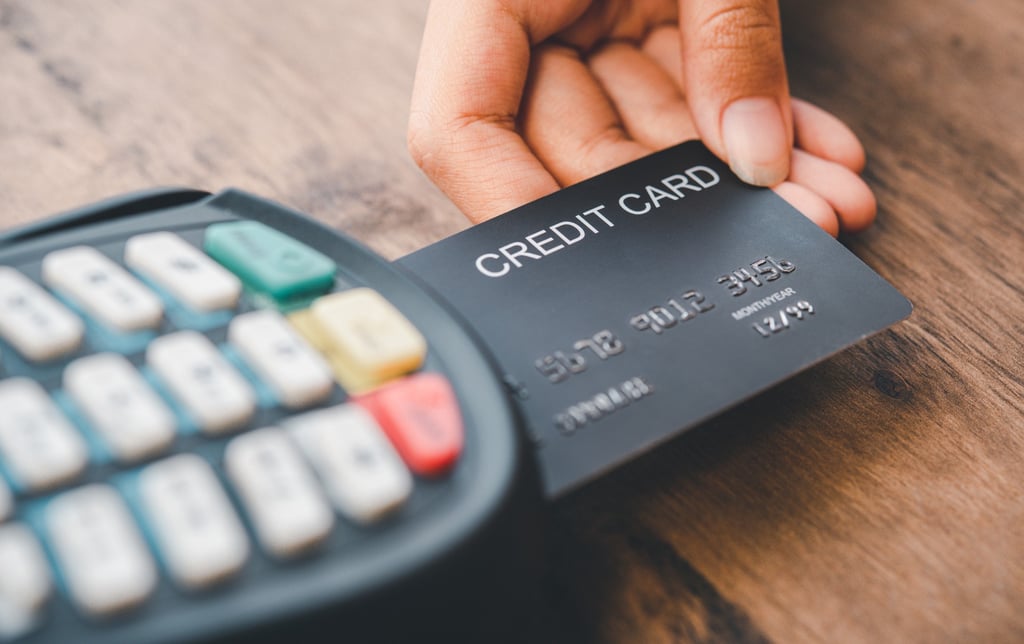
Credit and debit cards are accepted in most hotels, supermarkets, and many restaurants. Visa and Mastercard are the most widely accepted, while American Express is accepted in fewer locations. When the card machine asks whether to charge you in pesos or your home currency, choose pesos. Selecting your home currency applies a merchant conversion rate that usually makes the total higher.
In restaurants, the card machine is usually brought to your table. This is standard and keeps the payment secure. Some businesses may add a small fee for card payments, so asking before you pay can help you avoid surprises.
Are Apple Pay and Google Wallet accepted?
Yes, Apple Pay and Google Wallet are mainly accepted in supermarkets, pharmacies, large hotels, and chain restaurants. If your bank allows your card to be added to a digital wallet, you can tap to pay in many places. Smaller shops, beach vendors, and local cafés may still prefer cash, so having some pesos with you when you go out is helpful.
If you like to keep things organized while moving around, a compact travel wallet can help. The Pacsafe RFIDsafe Organizer is lightweight, protects your cards from digital scanning, and has room for receipts and bills. Shop Pacsafe RFIDsafe Organizer
For busy areas such as airports, markets, and excursions, some people also prefer a discreet money belt to keep essentials close and out of sight. The Peak Gear Travel Money Belt is comfortable, slim, and easy to wear under clothing. View Peak Gear Travel Money Belt
4. How to get Cash in the Dominican Republic?
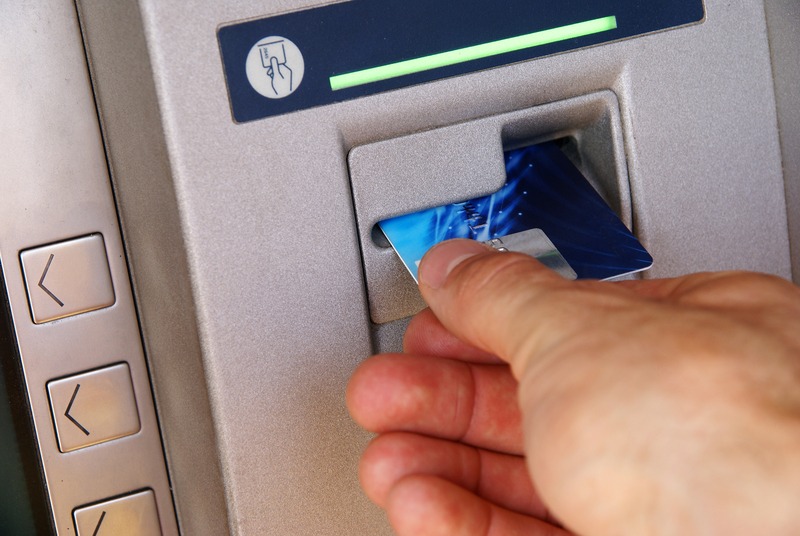
ATMs are easy to find in cities, malls, and resort areas, and they all dispense Dominican Pesos (DOP). Most machines charge a small local withdrawal fee of around DOP 300, which is about US $5, and many have a limit of about DOP 10,000 per transaction, roughly US $170 to $180. Withdrawing a larger amount at once helps reduce repeated fees, but always balance this with how much cash you feel comfortable carrying.
Which ATMs are the safest to use?
For the safest experience, use ATMs located inside bank branches or shopping centers. These machines are monitored, more secure, and usually newer. Street ATMs can have higher fees, lower limits, or outdated equipment, and it’s better to avoid them at night.
You’ll often see machines from BanReservas, Banco Popular Dominicano, Scotiabank, and Banco BHD León. These are the country’s main banks, and their ATMs are common in both cities and resort areas. If you need U.S. dollars in cash, this can only be done inside a bank, and you’ll need to show your passport.
Should you get cash at your hotel or resort?
Some resorts and hotel front desks can provide cash advances or exchange currency, but these services are usually expensive and come with poor exchange rates. It’s best to use them only in emergencies, as local banks or ATMs usually offer better value.
Before your trip, check the international withdrawal and transaction fees your bank applies to overseas use. Some banks charge both a local ATM fee and a foreign transaction fee, which can add up. Keeping your receipts can be helpful if your bank needs to verify a withdrawal later.
What should you do if an ATM keeps your card?
If an ATM keeps your card, stay calm and contact your bank immediately to freeze it and report the issue. Note the time and location, and if the ATM is near a bank branch, go inside to ask for help. Taking a photo of the machine can make it easier for your bank to locate the problem. Having a backup card or another payment method will give you peace of mind if this happens.
5. How Much Money Should You Bring to the Dominican Republic?
How much you’ll need in the Dominican Republic depends on the way you like to travel.
If you enjoy local food, public transport, and smaller guesthouses, plan for around US $40 to $60 per day. For mid-range comfort with nice hotels, restaurant meals, and a few excursions, expect US $100 to $170 per day. Luxury resorts, private tours, and fine dining can easily reach US$200 or more per day.
How much do excursions cost?
Excursions and day trips usually cost between US$50 and $250 per person, depending on the experience. It’s a good idea to book tours before you arrive through trusted platforms like Viator, where you can compare prices, read verified reviews, and often find better deals than on-site.
How much should you budget for souvenirs?
Souvenir prices vary depending on what you’re buying and where you shop. Small keepsakes like magnets or keychains can be US $1–$5 in local markets. Coffee, cocoa, chocolate, and T-shirts usually range from US $10–$30 depending on the brand and the shop. If you’re looking for something more special, Larimar jewelry begins around US $15 for small pieces and can reach US $60+ for polished pendants or silver settings. Rum and cigars also have a wide range, from about US $10 for a basic bottle or small cigar pack to US $80+ for aged rum or premium hand-rolled cigars.
Prices in resort gift shops are often higher, while local markets and artisan stalls usually offer better value. It’s normal to ask for a better price in markets, especially if you’re buying more than one item. Paying in pesos instead of U.S. dollars typically gets you a fairer rate.
If you want more guidance on where to shop and what to look for, see our Shopping in the Dominican Republic page.
How much will you need for tipping?
Tipping is part of daily life in the Dominican Republic, and it fits naturally into your travel budget. In restaurants, people usually leave around ten percent when the service was good. Most restaurants already include a ten percent service charge on the bill. This is standard. That service charge does not always go directly to the server, so if they were warm, attentive or simply made your meal feel pleasant, leaving a little extra just for them is a kind and appreciated gesture.
At bars, rounding up a little is enough. In hotels and resorts, housekeeping generally receives two to five dollars per day, and the person helping with your bags usually receives one to three dollars per bag. Taxi drivers do expect a tip, especially in tourist areas. Most people either round up or add a small amount that feels right. On tours, travelers often tip the guide or boat crew at the end, depending on how the day felt.
It is easiest to tip using small bills. Bring plenty of one and five-dollar bills from home, as these are the bills you will use the most. Coins from the United States are not useful, and tipping with coins or unusual currencies can create extra work for the person receiving them. Dominican pesos work perfectly, too, especially in more local places. Having both currencies simply gives you more flexibility.
A practical place to start is to have fifty to one hundred dollars in small bills for the first few days, along with two thousand to four thousand pesos for taxis, small shops, and day-to-day spending. You can get more pesos later if you need them.
There are no strict rules. Tip when someone made your day easier, or the service felt genuinely good. For clearer examples in restaurants, resorts, taxis, and tours, see our Tipping in the Dominican Republic guide.
If you’re not sure how much cash to bring, a mix of pesos and US dollars for small expenses, and a credit card for larger payments works best. This balance keeps things simple, helps you get fair prices, and lets you enjoy your trip without worrying about money.
6. How to send or receive money in the Dominican Republic?
If you ever run short on cash or need to receive funds while in the Dominican Republic, there are several safe and easy options.
Western Union and MoneyGram have offices in all major cities and tourist areas, including Punta Cana, Santo Domingo, and Puerto Plata. They are reliable for emergencies or when you need quick access to money.
Online services such as Remitly, Xoom (by PayPal), and Wise also make it simple to transfer money internationally. You can send funds directly to a Dominican bank account or choose a cash pickup location where the money is paid out in pesos.
Before confirming a transfer, compare exchange rates and fees, since some companies build hidden charges into their rates. To collect funds, bring your passport or another valid ID, and confirm branch hours, especially in resort areas.
For longer stays or group trips, digital banking apps like Wise and Revolut make it easy to split expenses, send deposits, or transfer small amounts from your phone.
Most visitors never need these services, but it’s good to know they are available if your card stops working or unexpected expenses come up. Having a reliable backup gives you peace of mind and keeps your trip running smoothly.
7. How to avoid money scams in the Dominican Republic?
Scams can happen in any popular destination, and the Dominican Republic is no exception. Card and ATM fraud are the most frequent. Use machines inside banks or malls, cover your PIN, and never accept help from anyone while withdrawing cash. When paying by card, make sure it stays in your sight. Exchange scams also occur near airports or busy tourist areas, so use official banks or exchange offices and always count your money before leaving.
Be cautious with tours offered by beach vendors or taxi drivers. Prices are often inflated, and some don’t deliver what they promise. It’s safer to book excursions through trusted platforms like Viator, where you can check real reviews and clear pricing.
Fake eticket websites have also appeared online. The Dominican Republic’s official eTicket form is completely free and available only on the government site. Avoid any site asking for card details or “processing fees.”
Some unlicensed taxis and “private drivers” may quote one fare and charge more on arrival. Confirm the price before you get in or review our Transportation in the Dominican Republic page for reliable transfer options.
Digital scams are increasing as well. Use secure Wi-Fi for online payments and avoid logging into banking apps on public networks. For more safety tips, see our How to Protect Your Phone While Traveling article. A few simple precautions can help you avoid most travel scams and keep your trip worry-free.


For more practical advice, visit our Travel Tips for the Dominican Republic with helpful insights to make your trip smoother, safer, and more enjoyable from the moment you arrive.


Terms and Conditions © All rights reserved 2026
Affiliate Disclaimer
Some links on DR Simplified are affiliate links. If you make a purchase or booking, we may earn a commission at no extra cost to you. Thanks for your support!