
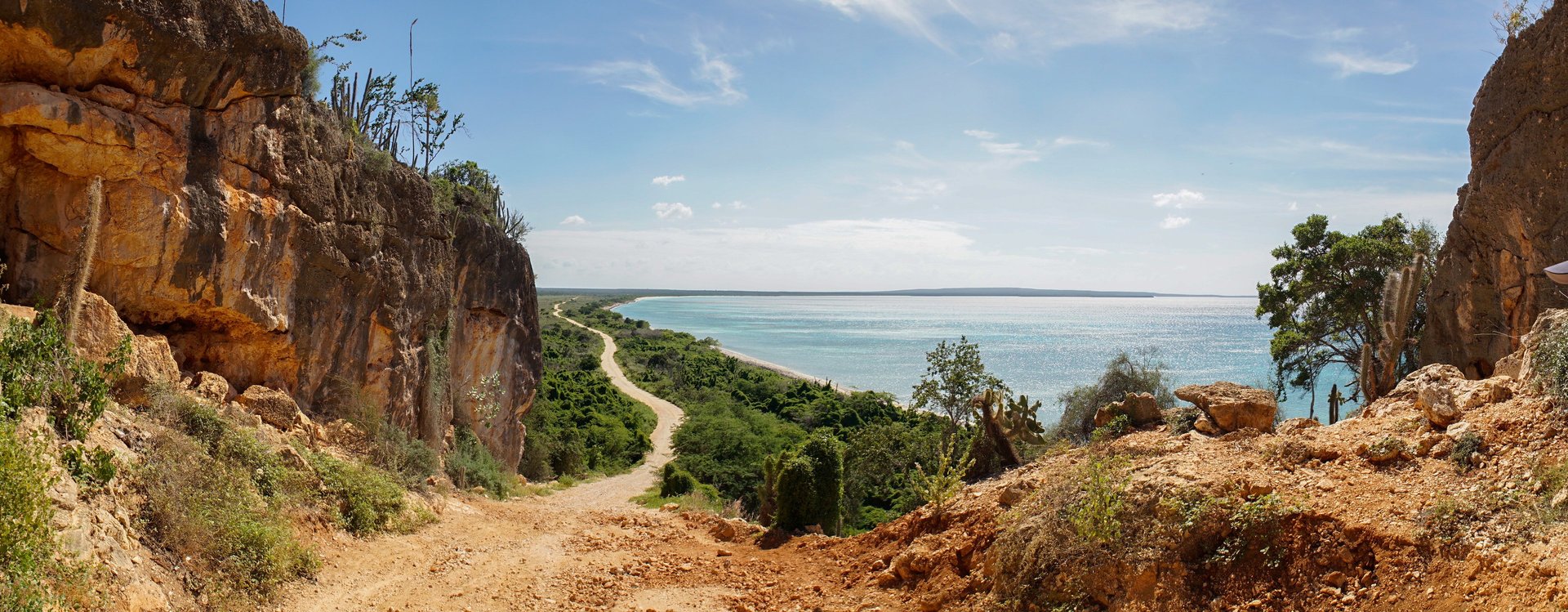
Barahona, Pedernales, and Cabo Rojo are located in the southwest Dominican Republic, historically one of the most spectacular and least visited regions in the country. While it has long been a completely different side of the Dominican Republic—wild, scenic, and far from the traditional all-inclusive crowds—it is now undergoing an exciting transformation. With the recent inauguration of the Port Cabo Rojo cruise terminal and the development of new luxury eco-resorts, the area is evolving into a world-class destination. Yet, despite this new wave of travel infrastructure, it fiercely protects its natural wonders, serving as home to Bahía de las Águilas, majestic mountains, rivers, desert landscapes, and charming coastal villages.
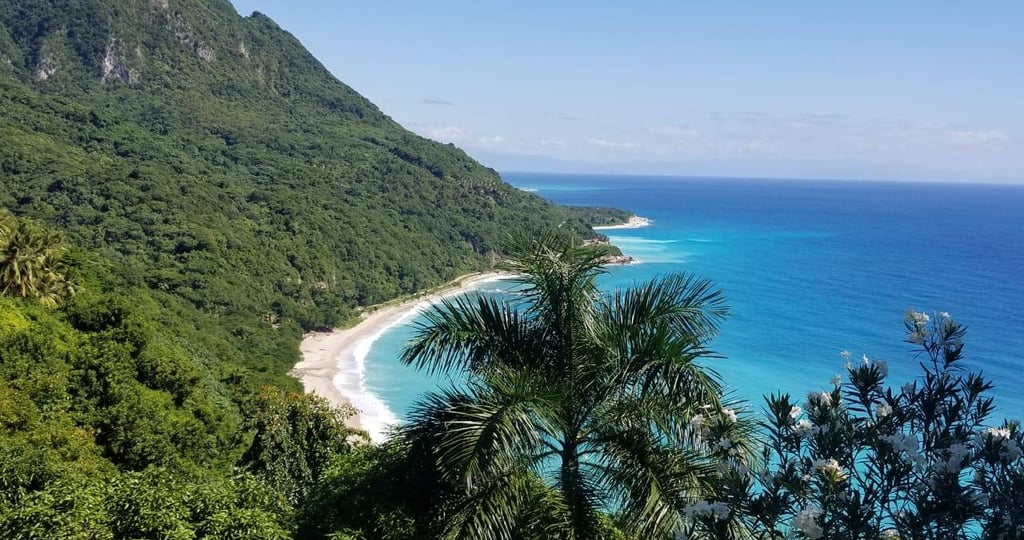
Most trips through the southwest start in Barahona, a coastal town where the green mountains of the Sierra de Bahoruco meet the Caribbean Sea. From here, the road to Pedernales is one of the most beautiful drives in the Dominican Republic. Along the way, you pass places like San Rafael and Los Patos, where cold mountain rivers flow directly into the ocean, small villages like Paraíso, and viewpoints along a dramatic coastline. As you continue toward Pedernales and the newly developed hub of Cabo Rojo, the landscape slowly changes from tropical and green to dry and desert-like, characterized by striking cacti, vivid red cliffs, and bright turquoise water.
Despite the region's growth, the ultimate highlight remains beautifully preserved: Bahía de las Águilas. Located inside Jaragua National Park, this strictly protected beach is famous for its clear water, blinding white sand, and completely untouched scenery, with no large hotels or buildings allowed. Visiting Barahona, Pedernales, and Cabo Rojo still feels more like an epic adventure than a typical beach vacation, and that is exactly why many travelers say this is one of the most breathtaking regions in the Dominican Republic.
Below, you’ll find the best things to do in Barahona and Pedernales, the most beautiful beaches, where to stay, and how to explore Cabo Rojo and Bahía de las Águilas.
Things to Do in Barahona - Pedernales (Cabo Rojo)
💡 Tip: Book your excursion online before you arrive.
On Viator, part of Tripadvisor, the world’s largest travel review site with over 300,000 experiences worldwide, you can see prices clearly listed in U.S. dollars, compare multiple operators, read verified reviews, and check exactly what’s included. You also see pickup times and full details before you book. Many tours offer free cancellation up to 24 hours before departure.
Planning your excursions helps you organize your days, avoid last-minute pressure, and secure spots on popular tours before they sell out. Compare the best excursions now
1️⃣ Bahía de las Águilas
Many consider this the most beautiful beach in the Dominican Republic. Located inside Jaragua National Park, there are no hotels or buildings here—just miles of untouched white sand and clear water. There is zero natural shade, so bring an umbrella, lots of water, and reef-safe sunscreen.
2️⃣ Laguna de Oviedo
This is a massive saltwater lake in a very dry area, but it is teeming with wildlife. It is one of the best places in the country for birdwatching. Go early in the morning during the dry season (December–April) for the best chance to see the wild pink flamingos.
3️⃣Lago Enriquillo & Isla Cabritos
This is the biggest lake in the Caribbean, and it sits completely below sea level. It is an extreme, desert-like environment where you can spot wild American crocodiles and Rhinoceros iguanas. It gets dangerously hot here. Visit as early in the morning as possible. Bring extra drinking water, a hat, and comfortable walking shoes.
4️⃣The Coast Road Trip: Route 44
The drive from Barahona to Pedernales is an activity all by itself! The road hugs the coastline, giving you non-stop views of cliffs, bright blue ocean, and small towns. The drive is about 122 kilometers (75 miles) along Route 44 and takes just under 2 hours without stopping. However, you should plan for at least half a day so you can safely pull over to take photos and explore the roadside beaches. Fill up your gas tank in Barahona, as gas stations are rare along the coast.
5️⃣ Hoyo de Pelempito
Take a break from the desert heat by driving high up into the Sierra de Bahoruco mountains. Here, the air is cool, and you can look down into a giant, 2,000-foot-deep valley. The drive takes about 2 hours from Pedernales. The last 6 to 7 kilometers of the road are rough dirt. You must have a 4x4 vehicle with high clearance to make it to the top. The entrance fee is a few dollars (bring small Dominican pesos).
6️⃣ Playa San Rafael
At this beautiful pebble beach, an icy mountain river flows right into the warm Caribbean Sea. You can swim in the freshwater pools, jump in the ocean waves, and eat amazing seafood. The ocean currents here can be very strong and dangerous, so stick to the river pools if you aren't a strong swimmer. It gets crowded with locals on Sundays, so visit on a weekday for a quieter experience.
7️⃣ Los Patos
Los Patos boasts one of the shortest rivers in the world. The crystal-clear, cold river water pools right next to the pebble beach, making it a favorite local swimming hole. Bring small cash (Dominican pesos) to buy freshly fried fish, plantains, and cold drinks from the small food stands lining the river.
8️⃣ Playa Paraíso
This beach looks exactly like its name: Paradise. It features unbelievably clear water and is surrounded by steep, green mountains that plunge into the sea. Like many beaches in this region, it is made of smooth white pebbles, not soft sand. Bring water shoes to make walking and swimming much more comfortable.
9️⃣ The Larimar Mines
This is the only place in the entire world where you can find Larimar, a beautiful ocean-blue stone. You can take a tour to see local miners digging it out of the deep mountain rocks by hand. Read our complete Larimar guide to learn more about this rare Dominican stone.
🔟 Cachote Cloud Forest
If you drive high up into the mountains above Barahona, you will find this cool, misty cloud forest. It has great hiking trails, lots of tropical birds, and amazing views of the ocean far below. Because of the high altitude, temperatures drop significantly. Bring a light jacket or sweater. The mountain road requires a 4x4 vehicle to visit safely.
Where to Stay in Barahona - Pedernales (Cabo Rojo)
Find the Best Hotel for Your Trip
Use Hotels.com to read real guest reviews, see the exact beachfront location on the map.. Choose resorts with free cancellation or flexible payment options. Join the free One Key program to get member prices and earn OneKeyCash for future trips.
Check availability and book your favourite hotel in the Dominican Republic today.
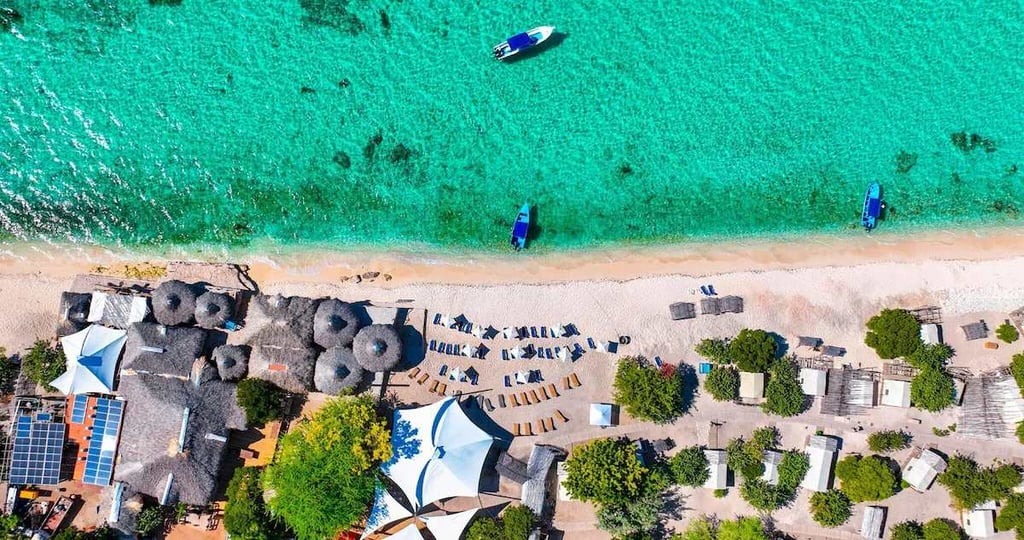
Right now, this is not the place to look for massive, all-inclusive resort towers—although the very first luxury spots, like the new Iberostar, are just starting to open their doors in Cabo Rojo. Instead, you will find amazing nature lodges, small oceanfront hotels, and even comfortable tents pitched right on the sand.
Best Places to Stay in Barahona
Barahona is the best base if you want to be close to lush rivers, green mountains, and the famous pebble beaches.
Platón Ecolodge: This lodge is hidden deep in the green mountains near Paraiso. It has its own private waterfalls and natural swimming holes right on the property. It is the perfect choice if you want a quiet nature retreat.
Hotel El Quemaito: A cozy, very reliable spot located just a few minutes from the popular El Quemaito beach. It has great sweeping ocean views, friendly service, and a very peaceful vibe.
Best Places to Stay in Pedernales & Cabo Rojo
Glamping EcoLodge Cueva de Las Águilas (Cabo Rojo): This is easily the most famous place to stay in the area. You sleep in a heavy-duty canvas tent right on the white sand. You wake up, unzip your tent, and you are literally steps away from the calm ocean.
Hotel Vista de Águilas Ecolodge (Pedernales): If you prefer a real room with reliable air conditioning and four walls, this is a top-rated choice right in town. It has a great pool, comfortable beds, and a fun Caribbean design.
Food and Drinks in Barahona - Pedernales (Cabo Rojo)
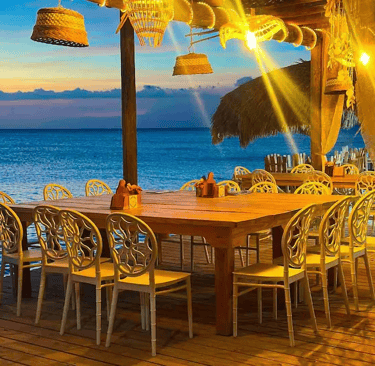
Because you are right on the coast, fresh seafood is everywhere. You will see a lot of whole fried red snapper, spiny lobster, and lambí (conch). You absolutely want to order your catch al coco—simmered in a rich coconut sauce—or al ajillo, which is heavily loaded with garlic.
But what really makes Barahona and Pedernales stand out is a local dish called chenchén. This is the signature meal of the deep south. It is a savory, cracked corn dish that is slow-cooked with coconut milk, butter, and spices until it forms a tasty crust at the bottom of the pot. You will usually see it served with tender chivo guisado (stewed goat) and red beans. Wash everything down with an ice-cold Presidente beer, and finish off with a cup of local Barahona coffee, which is known as some of the best coffee on the island.
Curious about what else is on the menu? Read our Complete Guide to Dominican Food for more dishes to try.
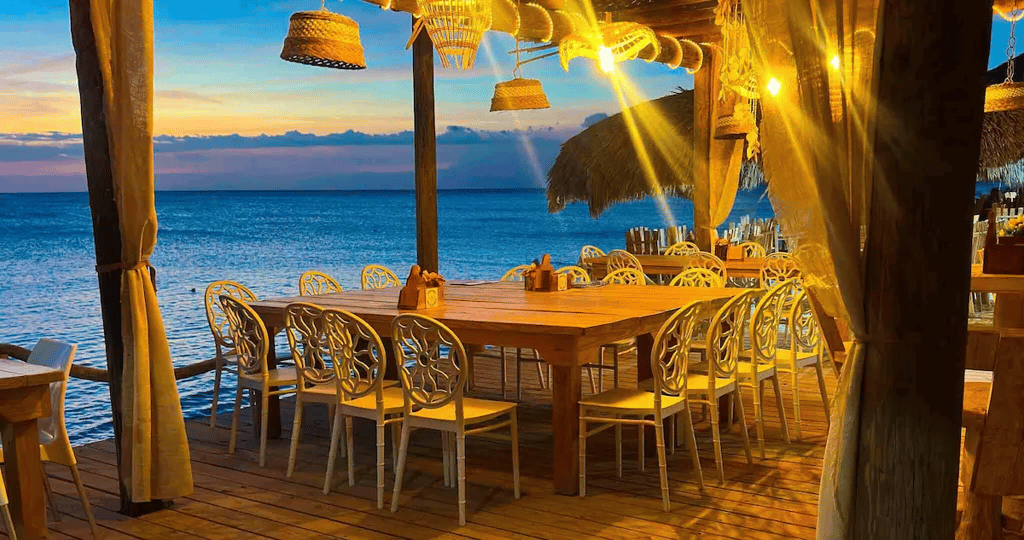
You won't find luxury resort dining out here. Instead, you get relaxed, open-air spots with amazing home-style cooking. Based on reviews and local popularity, here are the best places to eat:
Brisas del Caribe (Barahona): Located right on the waterfront boulevard, this is a long-standing favorite. People go here for big plates of seafood, stewed goat, and great ocean breezes.
Restaurante Delicias Marinas (Barahona): Just like the name says, this place is all about the ocean. It gets great reviews for serving perfectly cooked, traditional Dominican seafood.
El Navío Bar Sea & Food (Pedernales): A highly recommended spot right in the town of Pedernales. It has a great Caribbean vibe and serves incredibly fresh seafood right before you hit the local beaches.
Rancho Típico Cueva de las Águilas (Cabo Rojo): You eat with your toes in the white sand here. It is located exactly where you catch the boats to Bahía de las Águilas, making it the perfect place to grab fresh grilled fish right on the beach.
Frequently Asked Questions about Barahona - Pedernales (Cabo Rojo)
Where are Barahona, Pedernales, and Cabo Rojo located?
This region is located in the deep southwest of the Dominican Republic. Barahona is the gateway province, while Pedernales is the province bordering Haiti to the far west. Cabo Rojo is a specific coastal area and new cruise port development located about 20 km southeast of the town of Pedernales.
How far is the drive from Santo Domingo or Punta Cana?
From Santo Domingo: The drive to Barahona takes about 3 hours. Continuing to Cabo Rojo/Pedernales takes another 2 to 2.5 hours. Expect a total driving time of 5–6 hours (approx. 310 km/193 miles).
From Punta Cana: The drive is much longer, covering around 500 km (310 miles) and taking 7–8 hours. Day trips from Punta Cana are not practical. If you are coming from the East Coast, plan to stay at least two to three nights in the Southwest.
Do I need to rent a 4x4 vehicle?
It depends on your itinerary. A standard sedan is perfectly fine for driving the main highways from Santo Domingo to Barahona, and all the way down to the town of Pedernales and the new Cabo Rojo port area. However, if you plan to venture into the Sierra de Bahoruco National Park, visit the Hoyo de Pelempito, or go off-roading to remote beaches, a 4x4 or high-clearance SUV is highly recommended.
Is there an airport in the area?
Currently, the most practical commercial airport is Las Américas International Airport (SDQ) in Santo Domingo. However, as part of the Cabo Rojo mega-development, a new international airport is actively under construction near Oviedo, with an expected opening in late 2026 or early 2027.
What exactly is the Cabo Rojo project?
Cabo Rojo is a $2.2 billion eco-tourism and mega-resort development designed to transform the region into a major destination while preserving its natural beauty. It currently features a fully operational cruise port (opened in January 2024), and the first phases of international eco-friendly luxury hotels (like Iberostar) are slated to open in late 2026.
Are cruise ships stopping in Cabo Rojo now?
Yes! The Port of Cabo Rojo is receiving regular calls from major cruise lines like Royal Caribbean, Norwegian, MSC, and Holland America. If you are arriving by cruise, the port provides a free shuttle bus to the nearby town of Pedernales and offers easy excursion access to the surrounding national parks.
What is Bahía de las Águilas, and is it worth the trip?
Bahía de las Águilas (Eagles Bay) is the crown jewel of the region. Located inside the protected Jaragua National Park, it is an 8-kilometer stretch of pristine, white-sand beach with crystal-clear turquoise water and dramatic limestone cliffs. Because it is protected, there are no hotels or developments on the beach. It is universally considered one of the most beautiful and unspoiled beaches in the world—and yes, it is absolutely worth the journey.
Is there a problem with Sargassum seaweed in this region?
Generally, no. Unlike the eastern beaches (Punta Cana/Bávaro), which face the Atlantic Ocean and frequently battle sargassum, the southwest coast of Pedernales and Cabo Rojo faces the calmer Caribbean Sea. The geography naturally protects these shores, making them largely free of the seaweed blooms that affect other parts of the Caribbean. Many people worry about sargassum when planning a trip here. If you want to know the seasons and which beaches are usually affected, read more in our sargassum guide.
Is the region safe for tourists, especially near the Haitian border?
Yes, the region is remarkably safe. Pedernales is a small, welcoming frontier town where violent crime against tourists is exceedingly rare. While the town literally borders Haiti, the border is heavily secured and patrolled by the Dominican military (CESFRONT). The border situation does not affect the tourist zones, beaches, or the Cabo Rojo port.
Are there ATMs, and can I use credit cards everywhere?
Bring cash. While Barahona has modern banking facilities, infrastructure in Pedernales is still developing. There is limited ATM access in Pedernales, and machines often run out of cash on weekends. Credit cards are accepted at major hotels and the new port, but local restaurants and small shops operate strictly on Dominican Pesos.
What Should I Pack?
Because this region is all about raw, untouched nature, pack a little differently than you would for a standard resort. Bring plenty of light, breathable clothing, lots of sunscreen, and strong bug spray.
Definitely pack water shoes for navigating the beautiful, rocky pebble beaches of Barahona (like Los Patos or San Rafael), and bring a waterproof pouch for your phone for the open-water boat rides from Cabo Rojo to Bahía de las Águilas. Grab our complete Packing Checklist to make sure you don't forget a thing.
💡 Tip: Dominican supermarkets and resort shops often charge two to three times more for basic sunscreen, and high SPF options can be limited. Choose a premium, reef-safe SPF 50 or higher with broad-spectrum UVA and UVB protection that is water- and sweat-resistant, and comfortable on your skin. Since you will use it constantly, quality truly pays off.


Terms and Conditions © All rights reserved 2026
Affiliate Disclaimer
Some links on DR Simplified are affiliate links. If you make a purchase or booking, we may earn a commission at no extra cost to you. Thanks for your support!